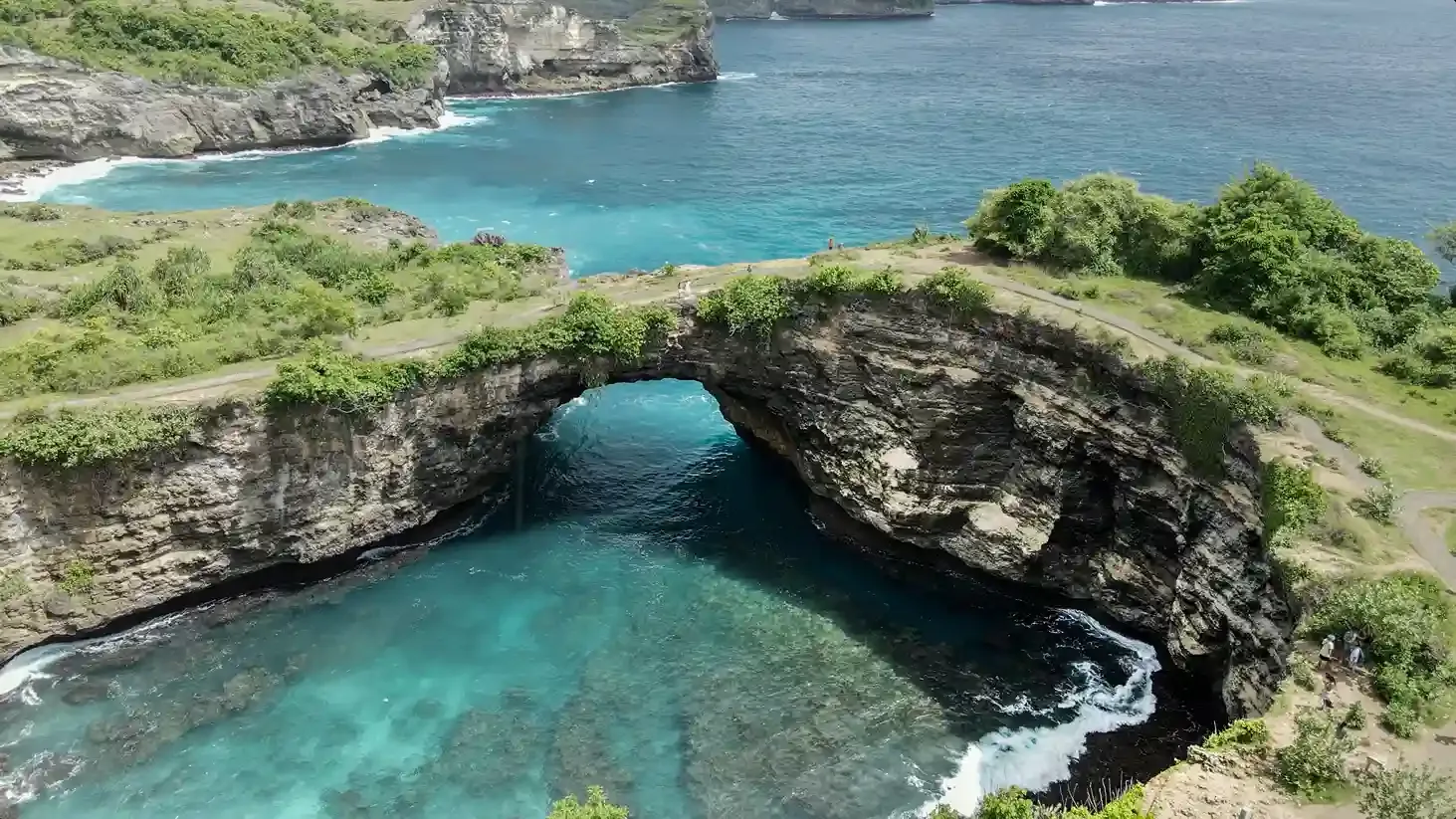
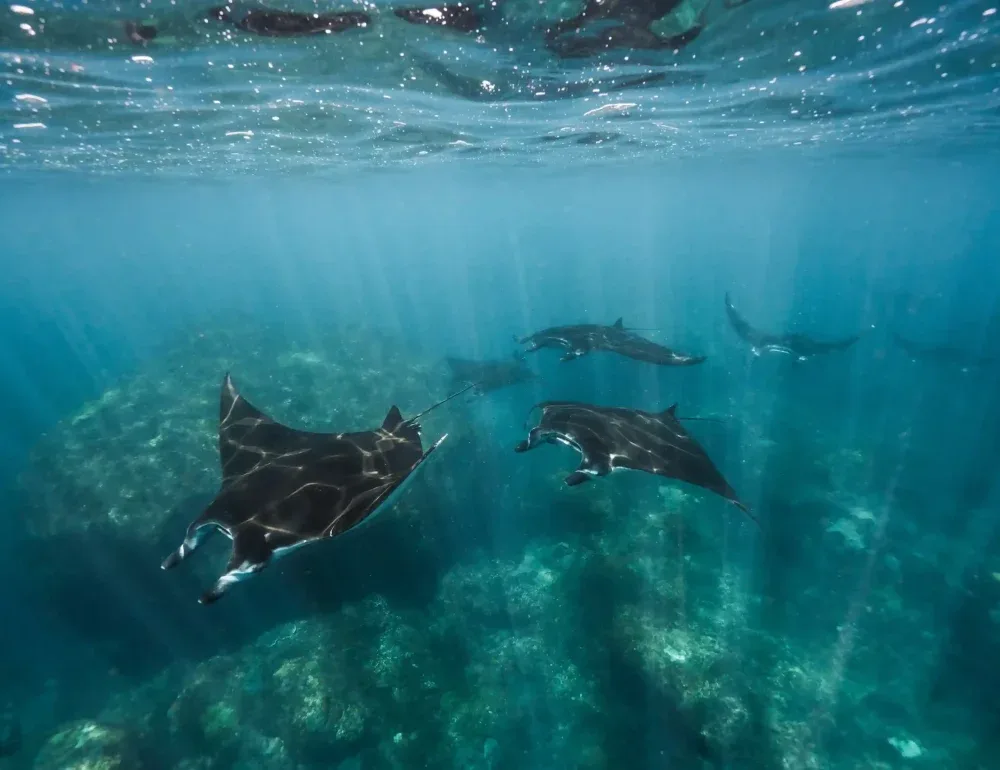
The optimal period for a Bali to Nusa Penida journey spans from May through September, aligning with Bali’s dry season. During these months, consistent calm seas provide ideal conditions for fast boat transfers and marine activities like diving at Manta Point. Expect clear skies and excellent visibility for exploring Kelingking Beach and other island attractions.
- May-September: Dry season, calmest seas, best for fast boat travel and diving.
- April, October-November: Shoulder seasons, fewer crowds, generally good weather with occasional rain.
- December-March: Wet season, potential for rougher seas and boat cancellations, lush landscapes.
The morning sun warms the docks of Sanur, waves gently lapping against the hull of a waiting fast boat. Across the Lombok Strait, Nusa Penida beckons, a rugged silhouette promising dramatic cliffs and cerulean waters. Timing your crossing from Bali to Nusa Penida is not merely about checking a calendar; it involves an understanding of the prevailing currents, the rhythm of the monsoon, and the subtle shifts in island life that define an exceptional visit.
Dry Season Dominance: May to September’s Clear Skies and Calm Waters
From May through September, Bali and Nusa Penida experience their dry season, a period universally acknowledged as prime for island exploration. The southeast monsoon winds are typically gentle, creating remarkably calm seas that facilitate smooth fast boat transfers from Sanur or Padang Bai. Daily temperatures average around 28°C, with minimal humidity, inviting long days spent under an unobstructed sky. This window is particularly crucial for those seeking the island’s renowned marine encounters. Visibility at Manta Point, for instance, frequently exceeds 25 meters, offering unparalleled views of the oceanic manta rays (Mobula birostris) that frequent its cleaning stations. Our captains, with decades navigating these waters, consistently report the most favorable conditions during these months, ensuring a comfortable journey to Toya Pakeh or Banjar Nyuh ports.
Planning your private charter during this peak season means securing your preferred departure times well in advance. Fast boat services operate with high frequency, often with over 30 daily departures from Sanur alone, each carrying between 80 to 150 passengers. For day trips to Kelingking Beach or Angel’s Billabong, the dry, firm roads across Nusa Penida’s interior remain easily navigable, a significant advantage over the wet season’s challenging terrain. The distance from Sanur to Nusa Penida is approximately 20 kilometers, with a crossing time typically ranging from 30 to 45 minutes. This period also coincides with the highest concentration of marine life activity around the Nusa Islands, including sightings of mola mola (oceanic sunfish) in deeper waters from July to October. A private charter offers the flexibility to optimize these conditions, allowing for early departures to beat the crowds at popular viewpoints, a strategy our local guides often recommend. Learn more about optimizing your itinerary with our Nusa Penida day trip planning guide.
Shoulder Season Nuances: April, October, and November’s Gentle Transition
The shoulder seasons of April, October, and November present a compelling alternative for those seeking a balance between ideal weather and fewer crowds. As the dry season transitions into the wet, or vice versa, the island breathes a different rhythm. April, often referred to as the “sweet spot,” typically retains the dry season’s calm seas and clear skies, with average temperatures hovering around 29°C. The rush of peak tourism has not yet fully arrived, or has begun to recede, offering a more tranquil experience at sites like Broken Beach and Crystal Bay. This is an opportune time for a Bali to Nusa Penida fast boat journey, with slightly lower demand for tickets, yet still reliable service. The crossing from Padang Bai, a harbor often favored for its direct route to Nusa Penida’s east coast, also sees stable conditions.
October and November mark the gradual return of the northwest monsoon, introducing occasional, short-lived rain showers, usually in the late afternoon. Sea conditions generally remain favorable for fast boat travel, though a vigilant eye on the daily weather forecast becomes more prudent. Water temperatures stay consistently warm, around 27°C, making diving and snorkeling at spots like Gamat Bay highly enjoyable. While visibility for diving might slightly decrease compared to the driest months, it often still exceeds 15 meters. These months offer a more intimate engagement with the island, as the volume of visitors lessens, allowing for easier access to popular photo opportunities at viewpoints like Banah Cliff. For a private charter, this period provides excellent value and flexibility, avoiding the highest prices of the peak season while still ensuring a high probability of excellent weather for your Nusa Penida adventure. Boat operators maintain their full schedules, with services from both Sanur and Padang Bai providing reliable access to Nusa Penida’s Toya Pakeh and Banjar Nyuh ports, which are central to exploring the island.
Wet Season Insights: December to March’s Lush Landscapes and Strategic Planning
From December to March, the northwest monsoon brings Bali and Nusa Penida into their wet season. This period is characterized by higher humidity, average temperatures around 30°C, and more frequent rainfall, often in heavy, tropical downpours. While the perception might be one of constant rain, these showers are typically intermittent, interspersed with periods of sunshine, creating a remarkably lush, vibrant landscape. The island’s interior transforms, with temporary waterfalls cascading down cliffs and verdant foliage intensifying. However, sea conditions can be more unpredictable. The Lombok Strait experiences choppier waters, particularly during strong winds, which may lead to occasional fast boat delays or cancellations from Sanur and Padang Bai. Passengers planning a private charter during these months are advised to maintain flexibility in their itinerary.
Despite the weather challenges, the wet season offers unique advantages. Tourist numbers are significantly lower, translating to fewer crowds at iconic locations like Kelingking Beach and more serene experiences. Prices for accommodation and tours can also be more competitive. For divers, while visibility at Manta Point might drop to 10-15 meters on some days, the warmer water temperatures (up to 28°C) are often welcomed. Our local boat captains, highly experienced with the nuances of these waters, meticulously monitor conditions, often recommending earlier morning departures when the seas are typically calmer. The Indonesian Agency for Meteorology, Climatology, and Geophysics (BMKG) provides crucial daily marine forecasts, which our operations team consults rigorously. For those prioritizing photography, the dramatic skies and vibrant greenery offer a distinct aesthetic. The journey from Bali to Nusa Penida remains accessible, but a proactive approach to checking forecasts and considering flexible booking options is paramount. The average annual rainfall in Nusa Penida can reach up to 2,000 mm, with the majority occurring during these months, contributing to the island’s unique ecosystem, which supports species like the critically endangered Bali Starling, a conservation success story managed by the Begawan Foundation, established in 1999.
Navigating Nusa Penida: Activity-Specific Timing and Local Wisdom
Beyond the general seasons, specific activities on Nusa Penida benefit from particular timing. For diving and snorkeling at Manta Point, the dry season (May-September) offers the clearest waters and highest visibility, often exceeding 25 meters, making it ideal for observing the resident manta rays. However, manta rays are present year-round; their aggregations are more predictable with calmer surface conditions. Early morning departures from Toya Pakeh or Banjar Nyuh ports, around 8:00 AM, typically provide the best chance for smooth travel to the dive sites before the wind picks up. The dive sites themselves range from 5 to 20 meters in depth, accommodating various skill levels. For land excursions to Kelingking Beach, Angel’s Billabong, or Broken Beach, the dry season ensures dustier but more stable roads, crucial for comfortable travel on Nusa Penida’s often unpaved routes. The Kelingking cliff, standing approximately 150 meters above sea level, offers its most dramatic views under clear, dry skies.
During the wet season, while land travel can be muddier, it also brings a verdant intensity to the landscapes, and temporary waterfalls appear, offering unique photographic opportunities. Our local drivers, intimately familiar with the island’s terrain, skillfully navigate these conditions. A key piece of local wisdom: always plan your return fast boat journey for the mid-afternoon if possible, avoiding the rush of last-minute departures and allowing a buffer for any unforeseen sea condition changes. For visitors seeking to capture the iconic sunset over Kelingking Beach, an overnight stay is essential. Understanding local tides is also crucial for exploring natural pools like Angel’s Billabong, which are safest to visit at low tide. The local community, predominantly Hindu, observes ceremonies and holidays, such as Nyepi (Bali’s Day of Silence), which can impact fast boat schedules; these dates vary annually but typically fall in March or April. Consulting with our team at balitonusapenida.com ensures you have the most current information for an optimal journey.
Strategic Departures: Daily Timing and Harbor Considerations
The success of your Bali to Nusa Penida journey often hinges on daily timing, irrespective of the broader season. Fast boat transfers typically begin around 7:00 AM from Sanur Harbor, with the earliest departures often encountering the calmest seas. The Lombok Strait, while generally manageable, tends to become choppier in the afternoon as sea breezes strengthen. Therefore, for those prone to seasickness or simply preferring a smoother crossing, a morning fast boat from Sanur is highly recommended. The journey from Sanur to Nusa Penida’s Toya Pakeh or Banjar Nyuh ports usually takes between 30 to 45 minutes, a relatively short but impactful window for sea conditions. Our private charter services offer the ultimate flexibility to select these prime morning slots, ensuring a comfortable and efficient transfer.
Choosing your departure harbor also plays a role. Sanur, located on Bali’s southeast coast, is the most popular departure point, offering a wide array of fast boat operators and frequent schedules. Padang Bai, further east, is another option, particularly for those staying in Candidasa or eastern Bali, and often provides a slightly shorter crossing directly to Nusa Penida’s eastern ports like Buyuk or Sampalan. However, the frequency of departures from Padang Bai is generally lower than Sanur. For divers heading to specific sites like Manta Point, originating from Toya Pakeh on Nusa Penida itself is often the most efficient, reducing travel time to the dive spots. Our team advises on the best harbor based on your Bali accommodation and Nusa Penida itinerary, ensuring seamless logistics. We facilitate transfers from both Sanur and Padang Bai, connecting you directly to the raw beauty of Nusa Penida. The average water temperature around Nusa Penida remains a comfortable 26-28°C year-round, making it a constant draw for marine enthusiasts, regardless of the season, but surface conditions are key.
Planning your journey from Bali to Nusa Penida involves more than just selecting a date; it’s about understanding the island’s unique rhythms and leveraging insider knowledge for an unparalleled experience. Whether you seek the placid waters of the dry season for diving, the tranquil charm of the shoulder months, or the lush drama of the wet season, strategic timing enhances every aspect of your visit. Our expertise in fast boat tickets and private charters ensures that your crossing is not merely a transfer, but the beginning of an extraordinary adventure. Discover the ideal time for your escape and book your seamless Bali to Nusa Penida fast boat experience today.