Choosing between Bali and its island neighbors involves weighing travel time, activity preferences, and desired atmosphere. Nusa Penida offers dramatic cliffs and marine encounters, a 30-45 minute fast boat journey from Sanur. Alternatives like Nusa Lembongan present a calmer, more accessible island experience, while the Gili Islands cater to divers seeking car-free tranquility further afield.
- Nusa Penida: Ideal for adventure, iconic viewpoints like Kelingking Beach, Manta Point diving.
- Nusa Lembongan/Ceningan: Relaxed pace, surfing, accessible beaches, Yellow Bridge connection.
- Gili Islands: Remote, no motorized vehicles, renowned for diving and vibrant nightlife (Gili T).
The morning sun warms the sands of Sanur as the air hums with anticipation. Beyond Bali’s familiar shores, a collection of islands beckons, each promising a distinct escape. For many, Nusa Penida represents the pinnacle of this island-hopping dream, a dramatic land of limestone cliffs and vibrant marine life. Yet, other horizons call, offering different rhythms and revelations. This guide navigates the choices, comparing the allure of Bali to Nusa Penida with its compelling alternatives.
Nusa Penida: The Untamed Allure
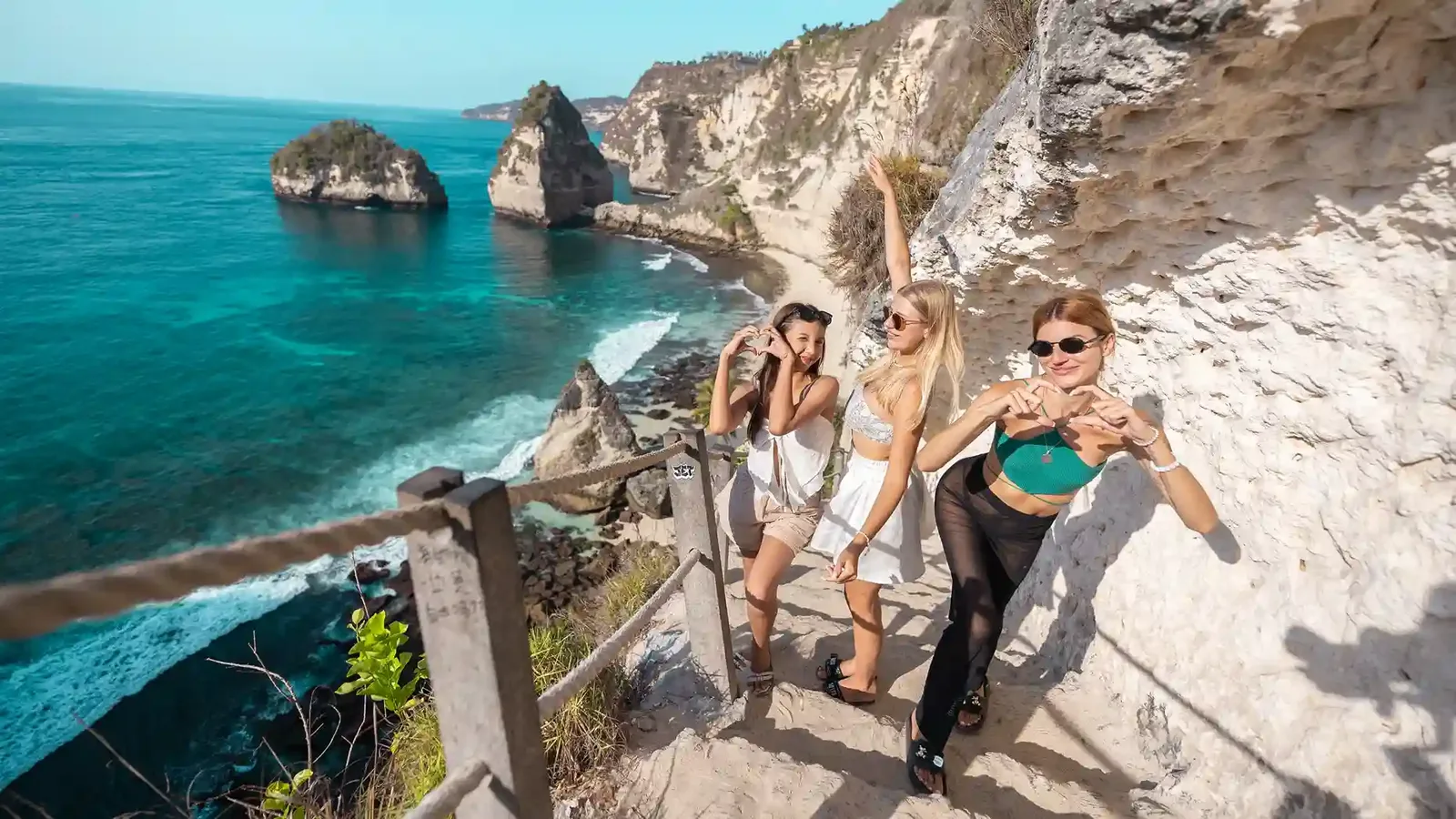
Nusa Penida commands attention with its raw, untamed beauty. Arriving at Toya Pakeh or Banjar Nyuh port, typically after a 30-45 minute fast boat journey from Sanur or Padang Bai, visitors immediately feel the island’s distinct character. The landscape unfolds with towering cliffs, secret beaches, and an underwater realm teeming with biodiversity. Kelingking Beach, often likened to a T-Rex head, stands as Nusa Penida’s most iconic vista, its sheer cliff face dropping over 150 meters to a pristine white crescent beach below. Accessing the beach itself involves a challenging 45-minute descent, testing endurance but rewarding with unparalleled views.
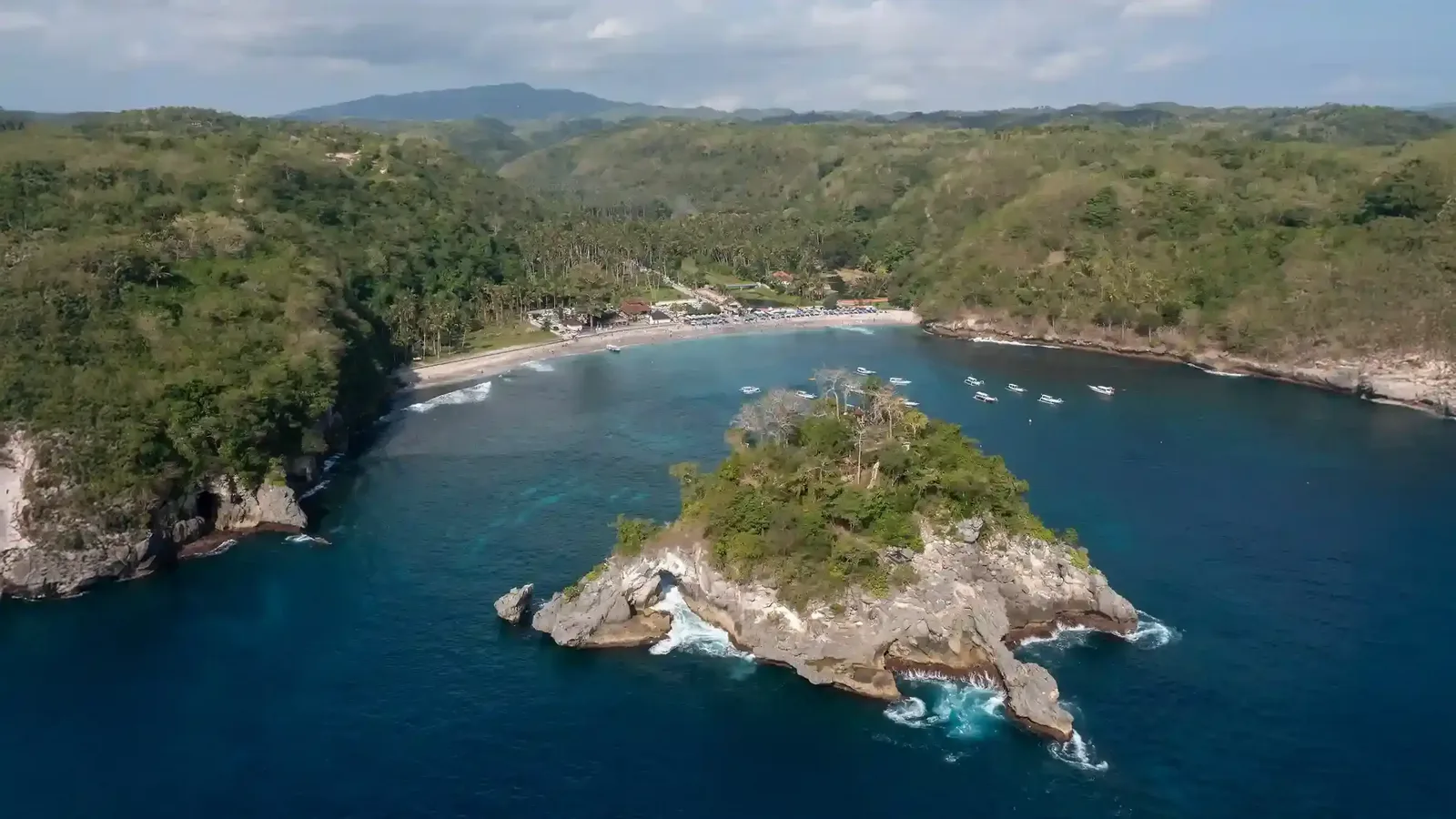
Beyond Kelingking, the island presents other natural wonders. Broken Beach (Pasih Uug) features a natural archway carved by the ocean, creating a stunning circular cove. Adjacent to it, Angel’s Billabong forms a natural infinity pool, inviting calm swims during low tide. For marine enthusiasts, Manta Point is a global highlight. Here, divers and snorkelers regularly encounter majestic manta rays, often with wingspans exceeding 3 meters, feeding in cleaning stations at depths between 10-25 meters. The waters around Nusa Penida host over 250 species of coral and 500 species of reef fish, a testament to its protected marine park status. A private charter speedboat offers direct access to these dive sites, bypassing the main ports for a tailored experience. The island’s infrastructure, while developing rapidly, still retains a rustic charm, appealing to those seeking adventure over polished resorts. Many visitors opt for a comprehensive day trip, covering the west coast’s famous landmarks within 8-10 hours, often including snorkeling excursions to Crystal Bay or Gamat Bay. Overnight stays, however, allow for deeper exploration, including the lesser-visited East Coast with sites like Atuh Beach and Diamond Beach, each offering unique perspectives and photographic opportunities. The average cost for a fast boat return ticket from Sanur ranges from IDR 150,000 to IDR 250,000 per person, depending on the operator and booking method. Wikipedia provides further ecological insights into the island’s marine protected areas.
Nusa Lembongan & Ceningan: Serenity Adjacent
Just a stone’s throw from Nusa Penida, the sister islands of Nusa Lembongan and Nusa Ceningan offer a distinctly different, often more tranquil, experience. The fast boat trip from Sanur to Mushroom Bay on Lembongan takes approximately 25-30 minutes, making it marginally quicker than the journey to Penida. These islands are smaller, more developed for tourism, and possess a relaxed, barefoot charm. Nusa Lembongan is renowned for its excellent surf breaks, attracting surfers of all levels to spots like Playgrounds, Lacerations, and Shipwrecks. Beyond surfing, the island features picturesque beaches such as Dream Beach and Mushroom Bay, perfect for sunbathing and swimming.
The iconic Yellow Bridge, a pedestrian and scooter-only suspension bridge spanning 140 meters, connects Nusa Lembongan to the even smaller island of Nusa Ceningan. Ceningan offers its own unique attractions, including the stunning Blue Lagoon, a dramatic cove with vibrant turquoise waters, and the Ceningan Cliff Point, providing panoramic ocean views. The seaweed farming industry still thrives on both islands, offering a glimpse into traditional island livelihoods, though its scale has reduced with the rise of tourism. Compared to Nusa Penida’s rugged terrain, Lembongan and Ceningan are flatter and more easily navigable by scooter or golf buggy. This accessibility makes them popular for families and those seeking a less strenuous day trip. Many fast boat operators offer combined itineraries that include stops at both Lembongan and Penida, providing a taste of each island’s character. Accommodation options range from budget guesthouses to luxury villas, many with direct beach access, catering to a diverse range of travelers. The average daily cost for scooter rental is around IDR 80,000, allowing for independent exploration. The overall atmosphere here leans towards gentle relaxation and water-based activities, offering a counterpoint to Nusa Penida’s dramatic adventure. For a comprehensive overview of your options, explore our Nusa Islands Guide.
The Gili Islands: A Northern Escape
Venturing further north from Bali, the Gili Islands – Gili Trawangan, Gili Meno, and Gili Air – present a distinct archipelago experience. The journey is longer, typically 1.5 to 2.5 hours by fast boat from Padang Bai harbor, and sometimes involves a stop in Lombok. What sets the Gilis apart is their complete absence of motorized vehicles. Horse-drawn carts (cidomo) and bicycles are the primary modes of transport, contributing to a genuinely tranquil, car-free atmosphere. Gili Trawangan, the largest of the three at 3.4 km², is known for its vibrant nightlife, numerous dive schools, and lively beach bars. It attracts a younger, more energetic crowd, particularly those interested in diving and socializing.
Gili Meno, the smallest and quietest island, is often considered the romantic retreat, ideal for honeymooners or those seeking ultimate peace. It hosts a turtle sanctuary and an underwater sculpture park, attracting snorkelers and divers. Gili Air strikes a balance between the two, offering a relaxed vibe with enough amenities and activities to keep visitors engaged. The waters around the Gilis are renowned for their exceptional diving and snorkeling opportunities, with visibility often exceeding 20 meters. Common sightings include green sea turtles, reef sharks, and a kaleidoscope of tropical fish. Numerous PADI-certified dive centers offer courses from beginner to advanced, with introductory dives starting around IDR 700,000. For non-divers, glass-bottom boat tours provide glimpses into the vibrant coral gardens. While the Gili Islands offer stunning beaches and clear waters similar to the Nusa islands, their remoteness and car-free policy create a more immersive escape from modern life. The average cost for a fast boat return ticket from Padang Bai to Gili Trawangan ranges from IDR 400,000 to IDR 600,000. This journey is a commitment, best suited for overnight stays of at least 2-3 nights to truly appreciate the unique rhythm of island life. Indonesia.travel provides further details on the Gili Islands’ attractions.
Lombok: The Island of a Thousand Mosques
Lombok, Bali’s larger eastern neighbor, offers a comprehensive island experience rather than a simple day trip alternative. Covering an area of 4,725 km², Lombok presents a diverse landscape ranging from pristine beaches and lush rice paddies to the towering volcanic peak of Mount Rinjani. The journey from Bali typically involves a slow ferry from Padang Bai to Lembar, taking 4-5 hours, or a fast boat to Senggigi or Gili Trawangan (then a local transfer). This makes Lombok a destination for extended stays, not a quick comparison with Nusa Penida’s day-trip accessibility.
Lombok’s appeal lies in its blend of adventure, culture, and untouched nature. Mount Rinjani, Indonesia’s second-highest volcano at 3,726 meters, dominates the island’s north and offers challenging multi-day treks to its crater lake. The southern coast, particularly around Kuta Lombok (not to be confused with Bali’s Kuta), boasts some of the most undeveloped and spectacular beaches, like Tanjung Aan and Selong Belanak, perfect for surfing and relaxation. The Sasak people, Lombok’s indigenous ethnic group, maintain a rich cultural heritage visible in their traditional villages, hand-woven textiles (songket), and unique culinary traditions. Visiting a traditional Sasak village like Sade or Rambitan offers a profound cultural immersion, often including live performances of traditional music and dance. Waterfalls like Sendang Gile and Tiu Kelep, located near the base of Rinjani, provide refreshing escapes into the island’s lush interior. While Nusa Penida focuses on specific natural landmarks and marine activities, Lombok offers a broader spectrum of experiences, from mountaineering and surfing to cultural exploration and quiet beach retreats. The average cost for a 3-day, 2-night Rinjani trek starts from IDR 2,500,000 per person. This island caters to travelers seeking a deeper, more extended engagement with Indonesian island life, far removed from the bustling tourist hubs of Bali. For more information on Mount Rinjani, consult Wikipedia’s entry.
Staying on Bali: Deep Dive into the Mainland’s Charms
Sometimes, the most compelling alternative to an island hop is to explore Bali itself with greater depth. The mainland offers an incredibly diverse range of experiences, from spiritual retreats to vibrant nightlife, without the logistics of inter-island travel. Ubud, Bali’s cultural heart, sits approximately 35 km north of Sanur. Here, visitors find ancient temples like Goa Gajah (Elephant Cave), art galleries, traditional craft markets, and serene rice terraces such as Tegalalang. The Ubud Monkey Forest, home to over 1,000 long-tailed macaques, offers an immersive natural encounter, attracting over 10,000 visitors annually. Activities in Ubud range from yoga and meditation to cooking classes and white-water rafting on the Ayung River, providing a holistic and enriching experience.
For those seeking sun and surf, the southern coast presents a different allure. Seminyak, approximately 15 km west of Sanur, offers a sophisticated blend of designer boutiques, world-class restaurants, and chic beach clubs. Its beach stretches for several kilometers, providing ample space for relaxation and sunset viewing. Further south, the Bukit Peninsula is famous for its dramatic clifftop temples and world-class surf breaks. Uluwatu Temple, perched 70 meters above the Indian Ocean, hosts daily Kecak fire dances at sunset, drawing crowds of up to 1,000 spectators. Padang Padang Beach, Bingin Beach, and Balangan Beach offer distinct surfing conditions and relaxed atmospheres. While Nusa Penida specializes in dramatic landscapes and marine life, Bali provides a more comprehensive cultural and lifestyle immersion. Exploring areas like Candidasa on the east coast, known for its diving and traditional fishing villages, or Munduk in the north, with its cool climate and coffee plantations, reveals yet another facet of the island. A private driver can be hired for approximately IDR 600,000-800,000 for a full day (10 hours), offering personalized exploration of Bali’s myriad attractions. This option appeals to those who prefer to unpack once and delve into the richness of a single, multifaceted destination, discovering its nuanced beauty over several days or weeks.
Choosing Your Horizon: A Strategic Decision
The choice between a Bali to Nusa Penida journey and its alternatives hinges entirely on your travel preferences, time constraints, and desired experiences. Nusa Penida stands as the premier choice for dramatic natural beauty, iconic viewpoints like Kelingking Beach, and unparalleled marine encounters at Manta Point, all within a convenient fast boat ride from Sanur. It caters to the adventurous spirit, the photographer, and the marine enthusiast seeking raw, powerful landscapes. A private charter offers the ultimate flexibility for these explorations, allowing tailored itineraries to specific snorkeling or diving locations.
Conversely, Nusa Lembongan and Ceningan offer a more relaxed, accessible island vibe, ideal for casual surfing, tranquil beach days, and family-friendly exploration, with connections via the Yellow Bridge. The Gili Islands, further afield, provide a truly car-free escape, prioritizing diving, socializing, and a slower pace of life. Lombok, a much larger island, serves as a destination in its own right, offering extensive cultural immersion, serious trekking on Mount Rinjani, and expansive, undeveloped beaches. Finally, dedicating more time to Bali itself allows for a deeper dive into its diverse regions, from Ubud’s spiritual heart to Uluwatu’s dramatic coastlines, offering a rich cultural and lifestyle experience without needing to change islands. Each destination presents a unique canvas for your Indonesian adventure. Consider the fast boat journey duration, the type of activities you prioritize, and the overall atmosphere you seek. For your direct passage to the iconic cliffs and pristine waters, explore our fast boat ticket options or arrange a private charter directly from balitonusapenida.com.