The optimal time for a journey traversing the azure expanse from Bali to Nusa Penida balances sublime weather with manageable crowds and prime marine conditions. Generally, the dry season, spanning June to September, offers clear skies, calm seas, and exceptional visibility for diving and snorkeling.
- Dry Season (June-September): Ideal for weather and marine life, but expect higher prices and significant crowds.
- Shoulder Seasons (April-May, October): Excellent compromise with good weather, fewer visitors, and better value.
- Wet Season (November-March): Lush landscapes, lower costs, and fewer tourists, though rain can impact activities.
The air, thick with the scent of frangipani and salt, hums with a distinct energy as you step onto Bali’s sun-drenched shores. A world of emerald rice paddies and volcanic peaks beckons, but your gaze, invariably, drifts eastward. Beyond the Lombok Strait, Nusa Penida awaits – a rugged, untamed jewel where dramatic cliffs plunge into cerulean depths and secret coves whisper ancient tales. Preparing for this exquisite passage, the journey from bali to nusa penida, demands a discerning eye for timing. When do the waters reveal their clearest secrets? When do the crowds thin, allowing for a more intimate communion with nature? And when does the island offer its most compelling value? We unravel the intricate dance of seasons, ensuring your bespoke escape is nothing short of perfection.
The Dry Season’s Embrace: June to September
This period unfolds as Nusa Penida’s most sought-after window, a time when the heavens seem to conspire for idyllic conditions. From June through September, the island experiences minimal rainfall, averaging less than 50mm per month, and consistently brilliant sunshine. Daytime temperatures hover comfortably between 28°C and 31°C, while evenings offer a gentle reprieve around 24°C. The humidity drops, making exploration more pleasant and the panoramas from iconic viewpoints like Kelingking Beach truly spectacular. This is when the island truly lives up to its postcard-perfect reputation, drawing discerning travelers from across the globe. The journey from bali to nusa penida during these months is characterized by smooth ferry crossings and vibrant island life.
Optimal Marine Encounters
Underwater enthusiasts find these months particularly rewarding. The clear skies translate to exceptional visibility beneath the surface, often extending beyond 25 meters. Water temperatures remain inviting, typically around 27°C to 28°C. This period is prime for encountering the majestic Mola Mola (oceanic sunfish), which ascend from the deep to warmer, shallower waters, particularly between July and October. Dive sites around Nusa Penida, such as Crystal Bay and Manta Point, teem with life, offering unparalleled opportunities to swim alongside manta rays (present year-round but often more active in calm conditions) and a kaleidoscope of reef fish. Expect dive excursions to be fully booked, with prices for a two-tank dive starting from $120-$150 USD.
Navigating Peak Season
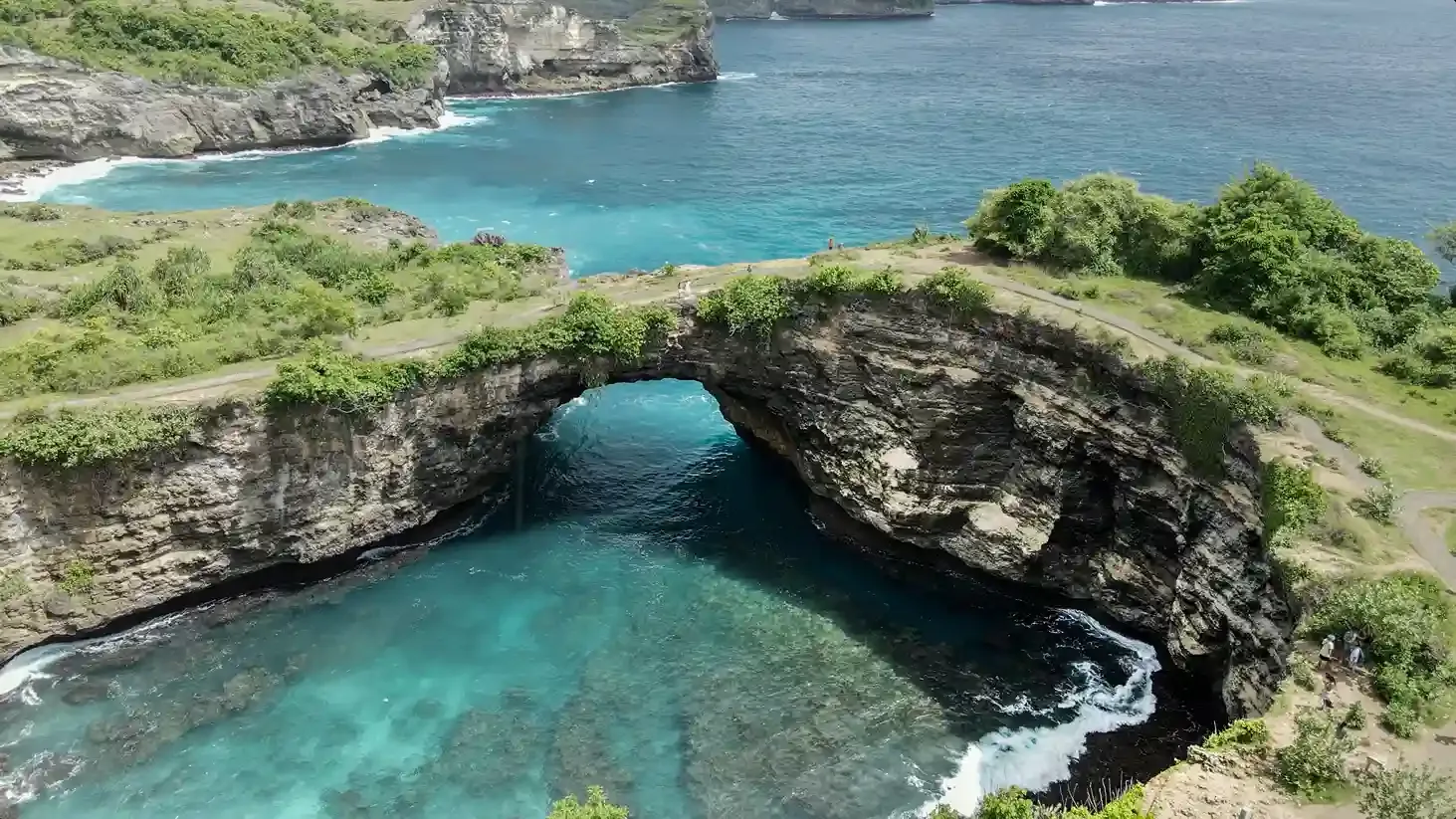
The dry season, while offering superior conditions, coincides with peak tourist season. Nusa Penida’s popularity has soared, and visitor numbers can swell significantly, especially in July and August. Iconic spots like Broken Beach and Angel’s Billabong will see more foot traffic, and the narrow island roads can become congested. Luxury accommodations, from cliff-side villas to boutique resorts, command their highest rates, often starting from $400-$800 USD per night for premium options. Flights into Denpasar (DPS) also peak, with international carriers seeing a 15-25% increase in fares compared to shoulder seasons. Booking well in advance – six to twelve months for prime resorts – is not just recommended, it’s essential for securing your preferred experience.
Shoulder Season’s Serenity: April, May, and October
For those who seek a harmonious blend of favorable weather and fewer crowds, the shoulder seasons present an exquisite alternative. April, May, and October offer a sweet spot, bridging the gap between the intensity of peak dry season and the lushness of the wet season. Average daily temperatures remain warm, ranging from 29°C to 32°C, with slightly higher humidity than the dry season but generally pleasant conditions. Rainfall is minimal, typically under 100mm per month, with short, refreshing showers that quickly give way to sunshine. The landscape retains its vibrant green, not yet parched by prolonged dryness nor saturated by heavy monsoons. This is often hailed as one of the most intelligent times to embark on the journey from bali to nusa penida.
Pre-Monsoon Calm
May, in particular, stands out. The island feels less hurried, the beaches a little more spacious, and the service at luxury establishments perhaps a touch more attentive. Marine conditions remain excellent, with water temperatures consistently around 28°C. Visibility is still very good, often exceeding 20 meters, and while Mola Mola sightings become less frequent towards the end of October, manta rays continue their graceful ballet. Accommodation prices during these months typically see a 15-30% reduction from peak season rates, offering compelling value without significant compromise on experience. A luxury villa that might cost $700 in August could be found for $500-$550 in May.
Post-Peak Tranquility
October mirrors May’s allure, serving as a gentle descent from the dry season’s bustle. The crowds begin to thin, yet the weather remains largely cooperative. This month offers a final flourish of excellent diving conditions before the onset of the heavier rains. Fast boat tickets from Sanur to Nusa Penida, which can cost around 200,000-300,000 IDR (approximately $13-$20 USD) one way, are more readily available. Excursion operators often have more flexibility, allowing for spontaneous adventures. The light breeze that often characterizes these months makes coastal explorations and clifftop dining particularly enjoyable, enhancing the sensory luxury of the island experience. This is an ideal time for photographers seeking dramatic landscapes without jostling for position.
The Wet Season’s Verdant Charm: November to March
The wet season transforms Nusa Penida into a dramatically different, yet equally captivating, destination. From November to March, the island embraces its monsoon, painting the hillsides in deeper shades of emerald and infusing the air with a tropical humidity. Rainfall averages between 150mm and 300mm per month, with January and February typically the wettest. Showers can be intense but are often short-lived, interspersed with periods of sunshine. Temperatures remain high, averaging 27°C to 30°C, and the air feels heavier. While some might shy away from the rain, this season offers a unique perspective on Nusa Penida, one of profound tranquility and natural abundance, especially for those who appreciate lush landscapes over constant sunshine.
Monsoon’s Lush Transformation
The island’s waterfalls, such as Peguyangan Waterfall, flow with renewed vigor, and the vegetation bursts with life. This is a time for quieter contemplation, for enjoying the dramatic spectacle of a tropical storm rolling in from the ocean. Road conditions can be challenging, with some unpaved sections becoming muddy, so consider hiring a driver with a robust 4×4 vehicle. The upside is significantly fewer tourists. Iconic viewpoints, which can be crowded during the dry season, might be almost deserted, allowing for truly private moments of awe. Luxury resorts often offer enticing off-season promotions, with rates plummeting by 30-50% compared to peak season. A stay that costs $600 in July might be available for $300-$350 during the wet season, representing exceptional value for a premium experience.
Underwater Visibility & Currents
Marine conditions during the wet season are more variable. While manta rays are still present at Manta Point, visibility can drop due to run-off from the land and increased plankton. Water temperatures remain warm, around 28°C. Currents can be stronger, particularly in channels, requiring experienced divers. However, this period can be fantastic for macro photography, as the plankton blooms attract smaller, fascinating creatures. For those seeking pristine underwater clarity for advanced photography, the dry season remains superior. Yet, for the adventurous diver who embraces the dynamic nature of the ocean, there are still rich experiences to be had, often with fewer dive boats competing for space at popular sites. Check local dive reports closer to your travel dates for the most accurate conditions.
Decoding Marine Conditions: Diving & Snorkeling Year-Round
Nusa Penida’s allure for marine enthusiasts is undeniable, a vibrant underwater realm that draws divers and snorkelers from across the globe. While the dry season (June-September) is often heralded as the zenith for underwater visibility and specific pelagic sightings, the truth is, the island’s marine life thrives throughout the year, offering distinct experiences across seasons. Water temperatures around Nusa Penida remain remarkably consistent, typically ranging from 26°C to 29°C year-round, making wetsuit choices fairly straightforward – a 3mm shorty or full suit is usually sufficient. Currents, however, are a significant factor, particularly in drift dives, and can vary greatly depending on moon phases and local conditions. Always dive with experienced local guides who understand the specific sites and their daily nuances.
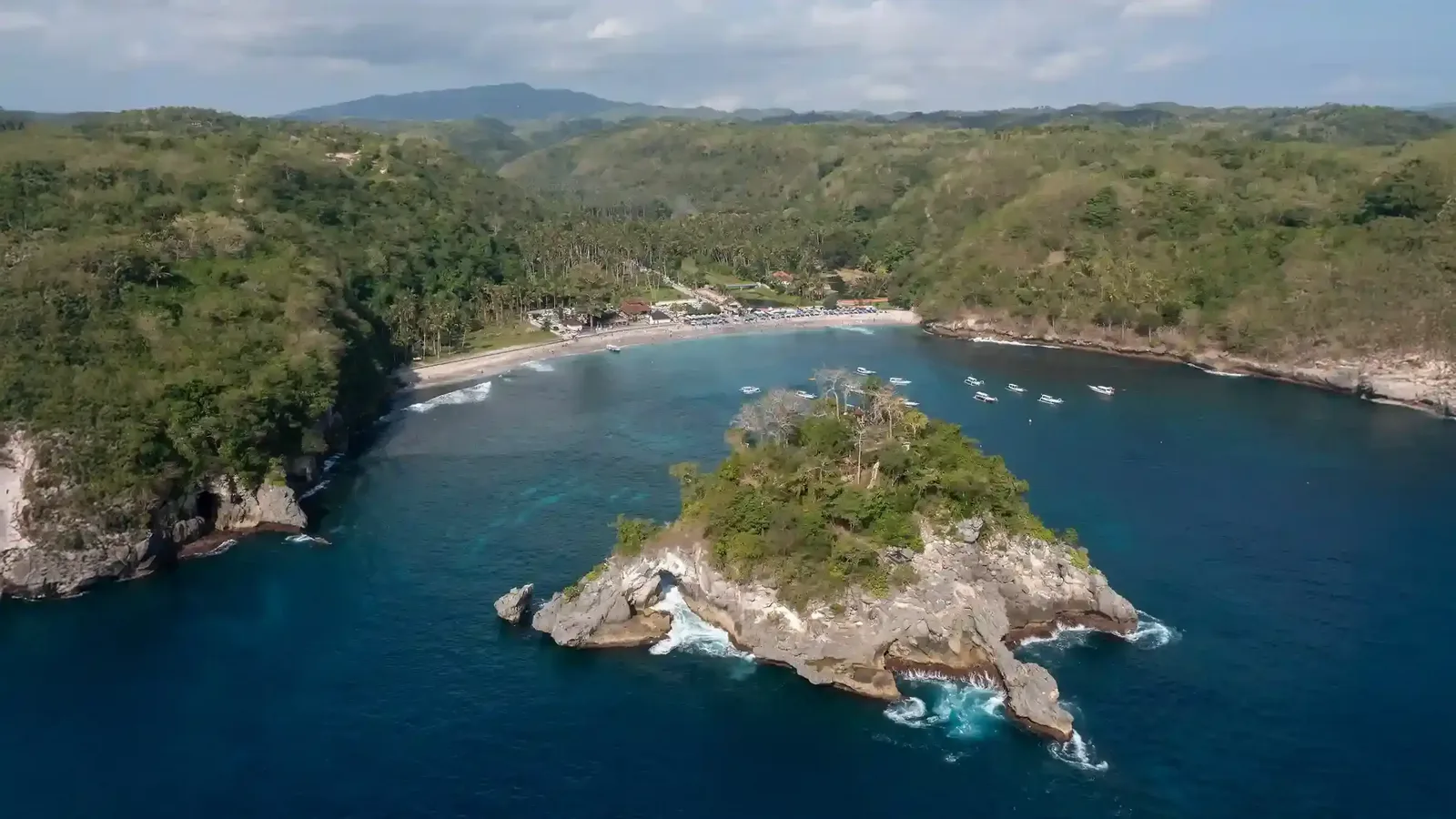
Manta rays, the gentle giants of the ocean, are a year-round resident at sites like Manta Point and Manta Bay. Their feeding patterns are less dependent on seasonal changes than on plankton availability, which can fluctuate. The famed Mola Mola, or oceanic sunfish, are a seasonal highlight, primarily sighted from July to October when cooler, nutrient-rich upwellings bring them closer to the surface, especially at Crystal Bay. During the wet season, increased rainfall can lead to reduced visibility, sometimes dropping to 10-15 meters, particularly in coastal bays influenced by runoff. However, this plankton-rich water also attracts different species, making it a fascinating time for macro life and unique encounters. For a comprehensive guide to Indonesia’s marine biodiversity, consult Wikipedia’s marine life resources.
Snorkeling, being a surface activity, is less impacted by extreme currents but still benefits from calm waters and excellent visibility. The dry season guarantees the most comfortable and clear snorkeling experiences. During the wet season, sheltered bays like Gamat Bay or Toyapakeh offer better protection from swell and clearer conditions than more exposed sites. Equipment rental and guided snorkeling tours are readily available, with prices ranging from $30-$60 USD for half-day trips. For a truly luxurious experience, consider a private charter, which allows for bespoke itineraries and unhurried exploration of multiple sites. The journey from bali to nusa penida is often undertaken with a specific marine encounter in mind, and understanding these seasonal nuances is key.
The Art of Timing: Crowds and Pricing
The intricate dance between visitor numbers and the cost of luxury travel to Nusa Penida is perhaps the most critical factor for the discerning traveler. It’s a delicate balance: do you prioritize pristine, uncrowded experiences, or seek the best value without compromising on quality? The dry season (June-September) undoubtedly offers the best weather and marine conditions, but this comes at a premium. During these months, Nusa Penida can feel vibrant, almost bustling, with popular viewpoints and beaches experiencing significant foot traffic. The ferry terminals at Sanur and Nusa Penida are consistently busy, with fast boat departures every 30-60 minutes, carrying hundreds of passengers daily. The sheer volume of visitors can, for some, detract from the island’s raw, natural charm.
Accommodations & Flights
Pricing for luxury accommodations during peak dry season can inflate by 30-50%. A stunning clifftop villa with a private pool, which might be available for $450 USD per night in May, could easily command $700-$800 USD in July or August. Flight prices into Bali’s Ngurah Rai International Airport (DPS) follow a similar pattern, with summer holiday periods seeing the highest fares from major international hubs. Booking flights and hotels 6-12 months in advance is not uncommon for those seeking specific luxury properties during peak season. Conversely, the wet season (November-March) offers the most significant discounts. Accommodation rates can drop by 30-60%, making previously unattainable luxury within reach. A lavish resort stay might cost $250-$400 USD per night, presenting an exceptional opportunity for value-conscious luxury travelers. Airfares also see a dip, particularly outside of the Christmas and New Year’s holidays, which remain a mini-peak season. For more detailed information on Indonesian travel, visit Indonesia.Travel.
Excursion Costs
Beyond accommodation, the cost of excursions and activities also fluctuates. Private island tours, which involve a dedicated driver and vehicle for a full day, range from $50-$100 USD depending on the vehicle and duration. During peak season, these operators are in high demand, and prices are firm. In the wet season, there’s more room for negotiation, and you might secure a similar experience for 10-20% less. Dive trips, however, tend to have more stable pricing year-round due to fixed operational costs, though booking in advance is always wise. Fast boat tickets from bali to nusa penida generally remain consistent, around 200,000-300,000 IDR one-way, regardless of the season, but availability can be an issue during peak times. The shoulder seasons (April-May, October) strike an excellent balance, offering good weather, fewer crowds than peak, and prices that are significantly more appealing than the dry season, often 15-30% lower across the board. This allows for a more relaxed, less hurried experience without sacrificing ideal conditions.
Crafting Your Bespoke Journey
The decision of when to embark on your exquisite journey from bali to nusa penida ultimately hinges on your personal priorities. Do you dream of endless blue skies and unparalleled underwater clarity, willing to navigate a bustling island? Then the dry season, from June to September, is your calling. Imagine the sun warming your skin as you gaze upon Kelingking’s iconic T-Rex head, the vibrant coral gardens bursting with life beneath a cloudless sky. This is the time for classic, picture-perfect moments, a quintessential Indonesian escape.
Perhaps your desire is for a more serene, intimate encounter with Nusa Penida’s raw beauty, where the island reveals itself without the press of crowds. You value excellent weather but prioritize tranquility and value. In that case, the shoulder seasons of April, May, and October present an irresistible proposition. The air is still clear, the ocean inviting, but the pace is gentler, allowing for deeper immersion in the island’s rhythms. Picture a quiet sunset over Crystal Bay, a private moment overlooking the vast Indian Ocean, or an unhurried exploration of Goa Giri Putri Cave.
Or perhaps you are drawn to the dramatic, lush landscapes of the wet season, from November to March. You appreciate the island’s verdant transformation, the cleansing rains, and the profound sense of calm that descends with fewer visitors. The allure of significantly reduced prices for luxury accommodations and the chance to experience Nusa Penida in its most authentic, unvarnished state might resonate deeply. Envision vibrant green hillsides, roaring waterfalls, and the unique opportunity to forge a more personal connection with the island’s spirit, even if it means occasional tropical downpours. Each season offers a distinct narrative for your luxury adventure. Consider the specific marine life you wish to encounter, your tolerance for crowds, and your budget. With this detailed understanding, you are empowered to curate a journey that not only meets but exceeds every expectation, crafting an unforgettable chapter in your travel story.