
Skip to content

Sanur · Padang Bai → Toya Pakeh · Banjar Nyuh

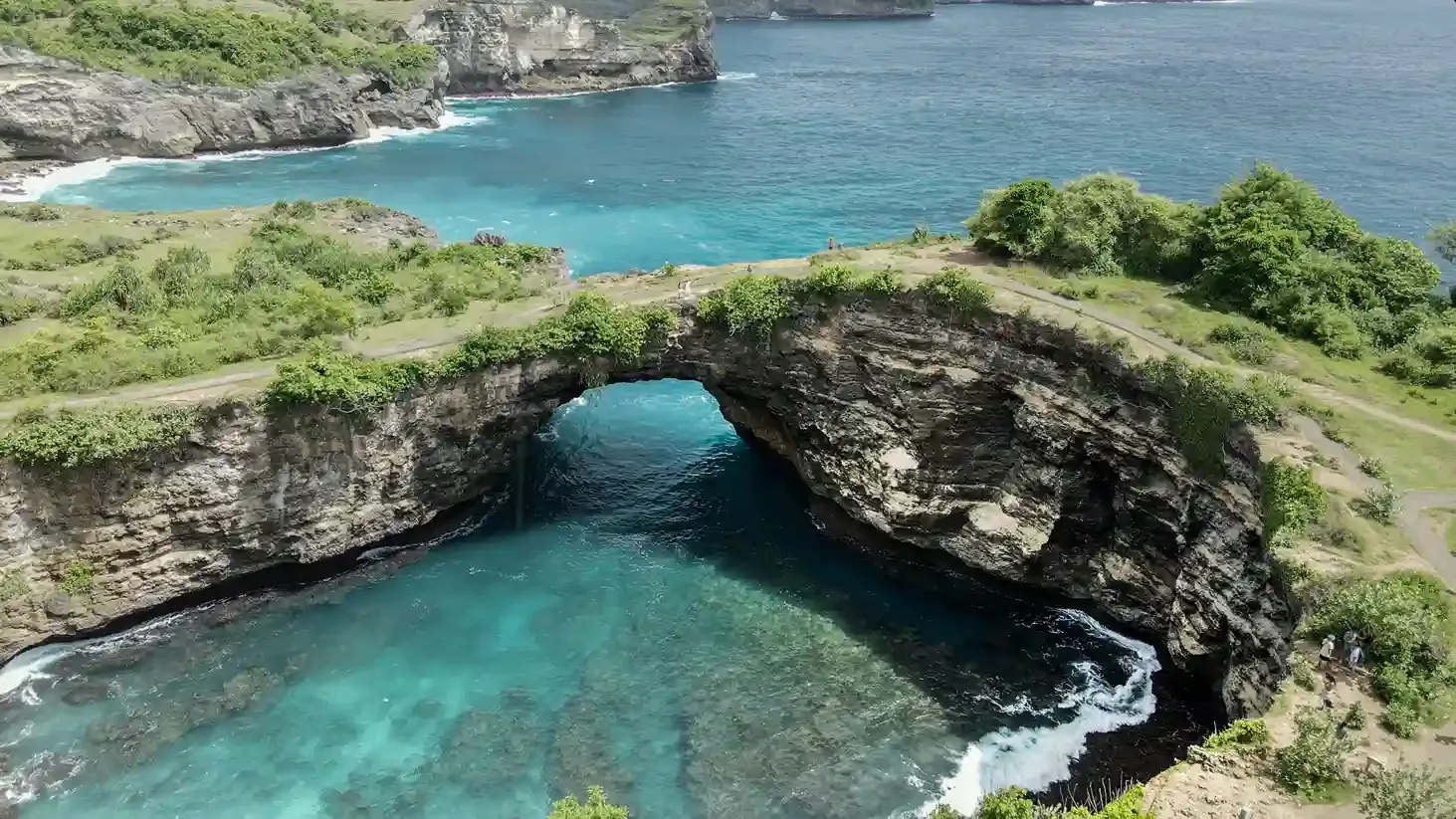
The natural archway at Broken Beach (Pasih Uug), Nusa Penida

When to go

The best time to cross to Nusa Penida

Three seasons, three trade-offs between weather, crowds, underwater visibility and what it costs.

In short

The dry season, June to September, offers clear skies, calm seas and exceptional visibility for diving and snorkelling. It is also the busiest and the most expensive.

  • Dry season (June–September): best weather and marine life, higher prices, significant crowds.
  • Shoulder (April–May, October): good weather, fewer visitors, better value.
  • Wet season (November–March): lush landscapes, lower costs, fewer tourists, rain can disrupt plans.

01 — The seasons

Three windows, three trade-offs

What each season actually gives you, and what it takes away.

June – September

Dry season

Minimal rainfall, under 50mm a month, and consistent sunshine. Days sit between 28°C and 31°C, evenings around 24°C.

  • Underwater visibility often beyond 25 metres
  • Busiest in July and August; book prime resorts 6–12 months ahead
luxury stay, per night

USD 400 – 800

Details

April, May, October

Shoulder season

Warm at 29°C to 32°C with rainfall typically under 100mm a month — short showers that give way to sunshine.

  • Visibility still often exceeds 20 metres
  • Accommodation runs 15–30% below peak rates

than peak season

15–30% less

Details

November – March

Wet season

Rainfall of 150mm to 300mm a month, wettest in January and February. Showers are intense but often short. Temperatures hold at 27°C to 30°C.

  • Viewpoints can be almost deserted
  • Unpaved roads get muddy — a driver with a 4x4 is worth it

than peak season

30–50% less

Details

02 — Under the surface

Marine conditions through the year

The water is warm all year. What changes is visibility, current and what you are likely to meet.

  • Water temperature

    Consistently 26°C to 29°C year round. A 3mm shorty or full suit is usually enough.

  • Manta rays

    Year-round residents at Manta Point and Manta Bay. Their feeding depends on plankton rather than season.

  • Mola Mola

    Mainly July to October, when cooler nutrient-rich upwellings bring them closer to the surface, especially at Crystal Bay.

  • Wet season visibility

    Run-off can drop visibility to 10–15 metres in coastal bays, and currents run stronger. Sheltered bays like Gamat Bay and Toyapakeh hold up better.

Currents vary with moon phase and local conditions. Check local dive reports closer to your travel dates, and dive with guides who know the sites.

03 — The cost of timing

What the season does to the price

Figures as published in this guide.

  • Dry season (June–September)

  • Luxury accommodation

    Per night, premium options

    USD 400 – 800

  • Two-tank dive

    Excursions are often fully booked

    USD 120 – 150

  • International flights into Denpasar

    Compared with shoulder season

    15–25% higher

  • Shoulder (April, May, October)

  • Accommodation

    A villa at USD 700 in August might be USD 500–550 in May

    15–30% lower

  • Fast boat ticket from Sanur

    One way, approximately USD 13–20

    IDR 200,000 – 300,000

  • Wet season (November–March)

  • Luxury resorts

    A stay at USD 600 in July might be USD 300–350 in the wet season

    30–50% lower

  • Any season

  • Guided snorkelling tour

    Half-day trips, equipment rental available

    USD 30 – 60

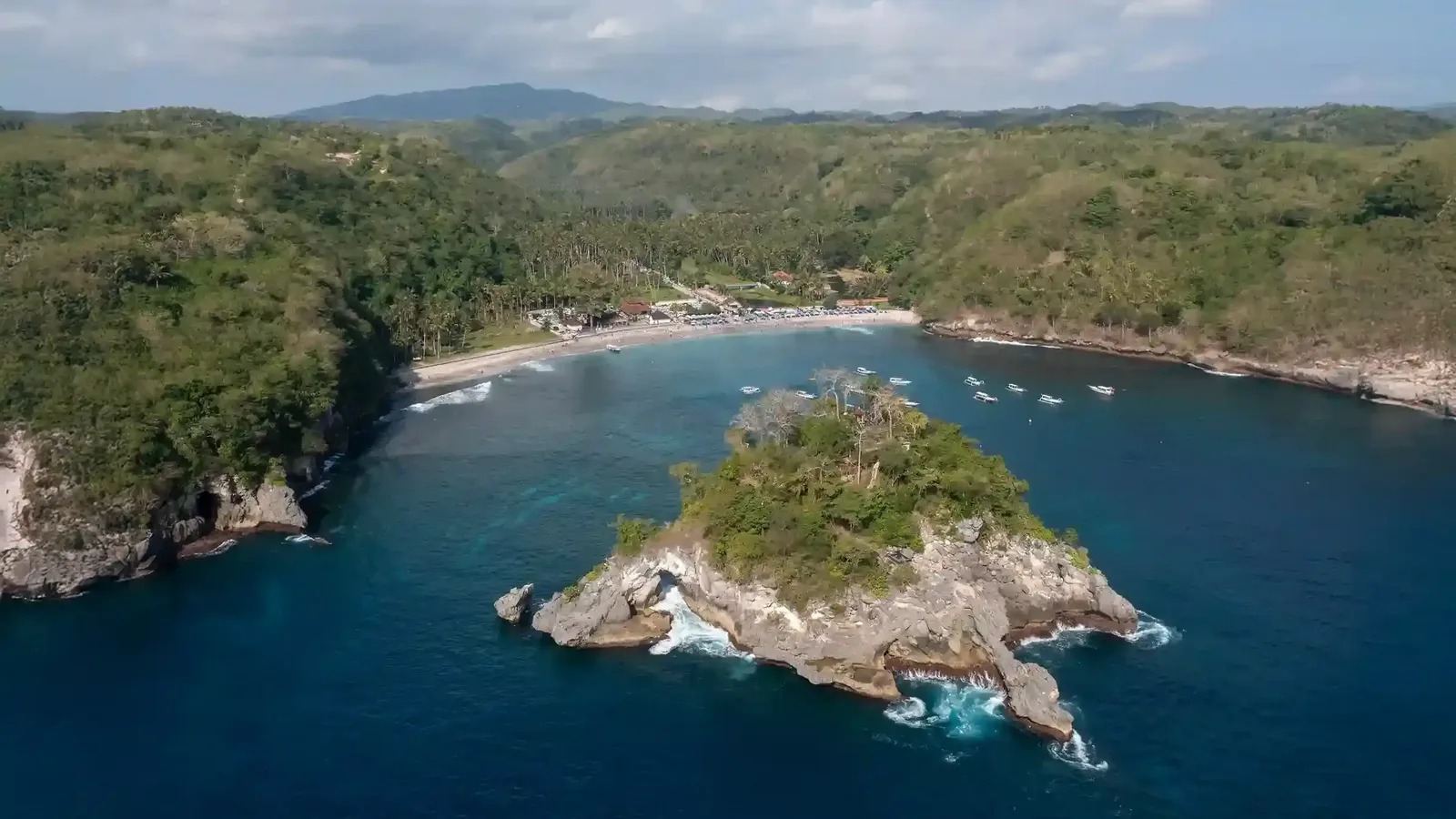
Crystal Bay and its offshore rock island, Nusa Penida

Not sure your dates are the right ones?

Tell us when you can travel and what you want to see, and we will tell you honestly what to expect.

WhatsApp