
Uncategorized
Choosing a Safe Luxury Boat Operator from Bali to Nusa Penida
Updated 10 Jul 2026 · 9 min read
On this page
- Beyond the Brochure: Deconstructing ‘Luxury’ in Maritime Transfers
- The Uncompromising Checklist for Safety and Seaworthiness
- Reading Between the Lines: How to Vet an Operator Online
- The Price of Peace of Mind: Correlating Cost with Quality
- The On-the-Ground Inspection: What to Look For at the Pier
- Quick FAQ: Your Pressing Questions Answered
- Related reading
Choosing a safe boat operator from Bali to Nusa Penida requires scrutinizing more than just the price. A discerning traveler must verify international safety certifications, assess the quality and maintenance of the fleet, and confirm the inclusion of premium services. Key indicators of a superior operator include:
- Compliance with SOLAS (Safety of Life at Sea) standards and a professionally certified crew.
- A modern, well-maintained fleet with transparent passenger capacity limits.
- Comprehensive passenger insurance and exclusive departure facilities, such as a private lounge.
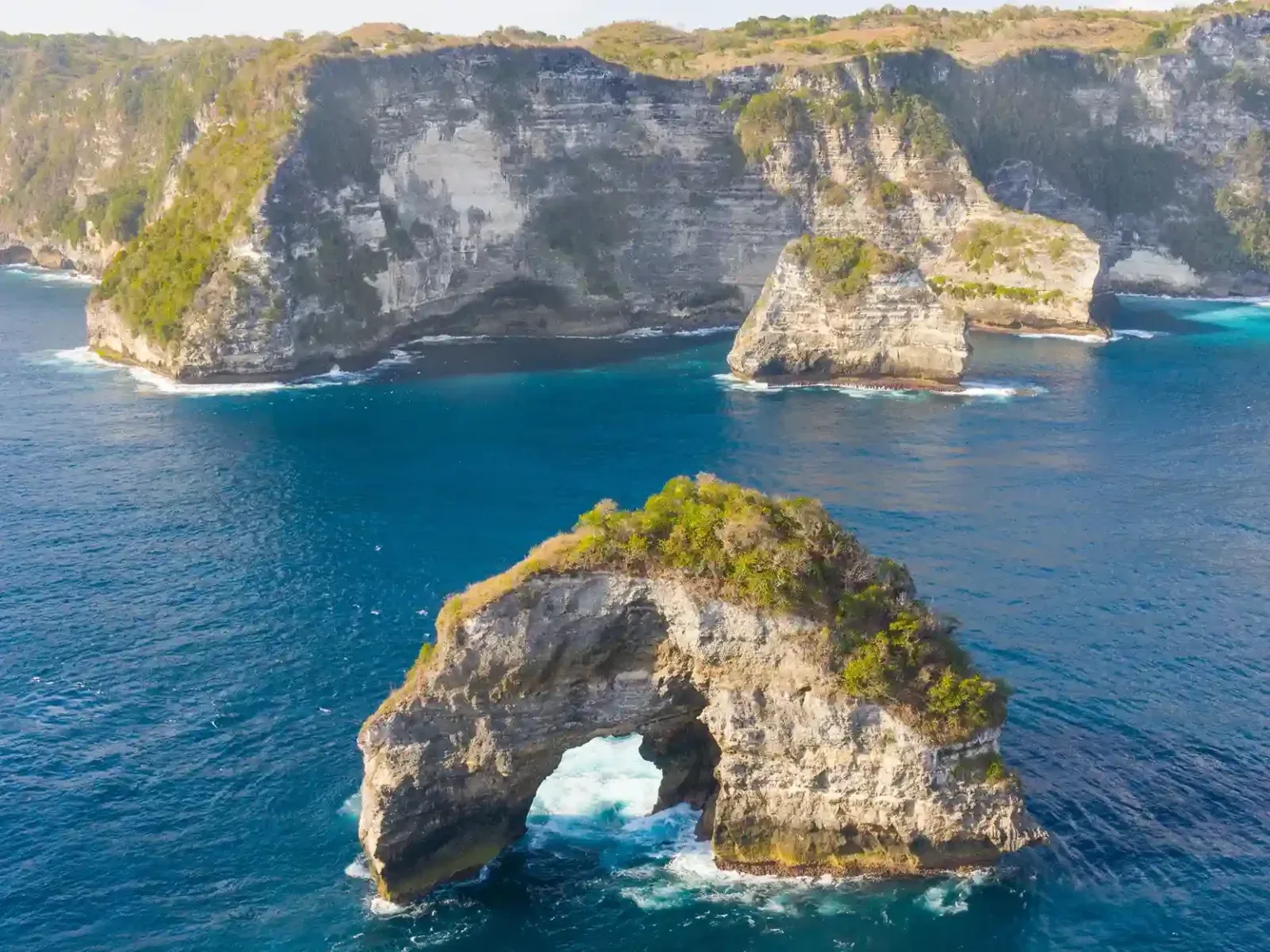
The low, powerful hum of twin 250-horsepower engines vibrates through the composite hull. To the west, the volcanic peak of Mount Agung recedes, its silhouette sharp against the morning sun. Ahead, the formidable limestone cliffs of Nusa Penida rise from an impossibly turquoise sea. The transfer across the Badung Strait is more than a 35-minute logistical necessity; it is the overture to your Penida experience. This brief maritime passage dictates the tone for the entire escape, separating a seamless, secure journey from one fraught with uncertainty. The vessel you choose is not merely transport; it is the first, and perhaps most critical, decision in crafting a truly elevated island narrative.
Beyond the Brochure: Deconstructing ‘Luxury’ in Maritime Transfers
In the lexicon of Indonesian travel, the term ‘luxury’ is applied with a liberal generosity that can often be misleading. the bali to nusa penida crossing, true luxury extends far beyond a comfortable seat and a complimentary bottle of water. It is a holistic ecosystem of safety, efficiency, and exclusivity. The experience begins not at the water’s edge, but at the terminal itself. Premier operators such as Golden Queen and Ekajaya Fast Ferry have invested in private terminals and pontoons, primarily in Serangan, which provides a stark contrast to the frenetic, crowded beaches of Sanur where dozens of budget operators jostle for position. Here, you will find air-conditioned lounges, organized luggage handling, and a clear, unhurried boarding process—a civilized start to the day.
The vessel itself is another critical differentiator. A premium fast boat is typically a newer, larger vessel, often exceeding 18 meters in length, constructed from fiberglass or aluminum, and powered by multiple high-output engines from reputable brands like Yamaha or Suzuki. This is a far cry from the smaller, often older and overloaded boats that comprise the budget end of the market. As Captain I Wayan Sudiarsa, a veteran skipper with over 15 years of experience navigating these waters, explained to me, “The Badung Strait is not a lake. It is a deep channel with currents that can exceed 8 knots. A larger boat with more power doesn’t just mean speed; it means stability and the ability to handle unexpected swells with grace.” The journey is only 15 kilometers, but in challenging conditions, the quality of the hull and the power of the engines make an exponential difference in both comfort and safety.
The Uncompromising Checklist for Safety and Seaworthiness
While comfort is desirable, safety is non-negotiable. Discerning travelers must learn to look past marketing materials and ask pointed questions about safety protocols. The gold standard is adherence to the International Convention for the Safety of Life at Sea (SOLAS), an international maritime treaty that sets minimum safety standards in construction, equipment, and operation of merchant ships. While not always legally required for smaller domestic passenger boats, operators who voluntarily comply with its principles demonstrate a profound commitment to passenger wellbeing. This includes having a sufficient number of life rafts (not just individual life jackets), modern navigation equipment like GPS and chart plotters, and reliable communication systems, including VHF radio and an Emergency Position Indicating Radio Beacon (EPIRB).
Equally important is the human element. The captain and crew should hold, at minimum, the Standards of Training, Certification and Watchkeeping for Seafarers (STCW) certification. Inquire about the captain’s specific experience often-treacherous Lombok and Badung Straits. Furthermore, ask to see proof of comprehensive passenger liability insurance. A reputable company will carry coverage of at least $500,000 USD and will not hesitate to provide documentation. As detailed in our Definitive Bali To Nusa Penida Guide, these details form the bedrock of a secure passage. A well-maintained vessel, evidenced by clean engine rooms and organized safety stations, is another key indicator. A top-tier 20-meter fast boat represents an investment of over $750,000, and operators who make this investment are typically meticulous about its upkeep.
Reading Between the Lines: How to Vet an Operator Online
Your due diligence begins long before you feel the ocean spray. The digital footprint of a boat operator is incredibly revealing. A professionally designed website that clearly lists the specifications of its fleet, details its safety equipment, and provides transparent information about its insurance coverage is the first positive sign. Be wary of sites that rely on generic stock photos of boats and beaches. Look for an “Our Fleet” section with actual, high-resolution photos and names of their specific vessels. Cross-reference these vessel names in online reviews to ensure consistency.
Speaking of reviews, it’s essential to look beyond the star rating. Scrutinize recent reviews on multiple platforms—Google, TripAdvisor, and even niche travel forums—for recurring themes. An occasional complaint about a delay is one thing; a pattern of comments about engine trouble, overcrowding, or a disorganized crew is a significant red flag. I often recommend a tactic from Amelia Chen, a Singapore-based luxury travel consultant: “Send a direct email with specific, technical questions. Ask, ‘What is your passenger insurance coverage limit per person?’ and ‘Can you confirm your vessel is equipped with a functioning EPIRB?’ The speed, professionalism, and transparency of their response will tell you everything you need to know about their operational standards.” This simple test can separate a marketing-savvy company from a genuinely safety-conscious one. A quick look at a Bali To Nusa Penida Pricing & Cost Guide will show that premium, vetted operators command a higher price, which is directly tied to these higher operational standards.
The Price of Peace of Mind: Correlating Cost with Quality
It can be tempting to see a $15 fast boat ticket and question why a premium operator charges $50 or more for the same 40-minute journey. The price differential is a direct reflection of the hidden costs of safety and quality. That $15 ticket is subsidized by cutting corners: minimal insurance, deferred engine maintenance, lower crew wages, and, most critically, maximizing passenger numbers, often beyond the vessel’s official capacity. The higher price of a reputable service buys you a seat on a boat that is not overcrowded, a professionally trained crew, meticulously maintained engines, and robust insurance coverage. You are paying for a lower passenger-to-crew ratio, which ensures better service and more attentive safety monitoring.
Think of it as the maritime equivalent of choosing a legacy airline over a budget carrier. The cost includes higher fuel consumption for more powerful and reliable engines, regular dry-dock maintenance which can cost upwards of $20,000 annually per vessel, and the fees for operating from more exclusive and less chaotic ports like Serangan. Indonesia’s Ministry of Tourism and Creative Economy has been actively promoting higher safety standards in marine tourism, as noted on their official portal, indonesia.travel. By choosing a premium operator, you are not only ensuring your own safety but also supporting a business model that aligns with this vision for a safer, more sustainable tourism industry. You can Book Bali To Nusa Penida transfers with confidence, knowing the price reflects a genuine commitment to excellence.
The On-the-Ground Inspection: What to Look For at the Pier
Even after meticulous online research and booking, your vigilance should continue on the day of departure. Arrive at the port with enough time to observe the operation before boarding. First, assess the physical condition of the vessel assigned to your trip. Does it appear clean and well-maintained? Look for signs of significant rust, damage to the hull, or worn-out fixtures. The general state of upkeep is a strong indicator of the operator’s overall standards. Next, observe the crew. Are they in uniform, acting professionally, and systematically organizing luggage and passengers? A calm, orderly boarding process managed by a confident crew is a hallmark of a well-run operation. Conversely, a chaotic scene with shouting, rushed passengers, and haphazard luggage handling should raise immediate concerns.
The most critical final check is for overcrowding. Reputable operators have a strict policy of one passenger per seat and will never sell more tickets than their vessel’s certified capacity, which is usually displayed on a placard near the helm. Count the passengers as they board. If the boat appears dangerously full, or if people are being told to stand or sit in aisles, do not board. It is better to forfeit a ticket than to compromise your safety. A proper safety briefing should be conducted before departure, clearly indicating the location of life jackets, emergency exits, and life rafts. This briefing, which takes only 3-5 minutes, is a simple yet profound sign that you are in the hands of professionals who prioritize your life over a tight schedule. Nusa Penida, part of the Lesser Sunda Islands, is a jewel worth seeing, but the journey must be as secure as the destination is beautiful.
Quick FAQ: Your Pressing Questions Answered
What is the best time of day to cross for calmer seas?
From our extensive experience, morning crossings, typically those departing before 10:00 AM, offer the highest probability of calm waters in the Badung Strait. The winds and swell tend to increase in the afternoon, making for a choppier ride. Booking the first or second departure of the day is a wise strategy for those sensitive to motion.
Should I book a private charter instead of a premium fast boat?
For ultimate control, privacy, and a bespoke schedule, a private charter is incomparable. It allows you to depart at your leisure and travel only with your party. However, for solo travelers, couples, or small families, a top-tier “business class” fast boat operator offers 90% of the comfort and all of the safety of a private charter for a fraction of the cost, which can range from $800 to $2,000+ for a private hire.
Is motion sickness a major concern?
The strait’s conditions are variable. However, premium operators mitigate this by using larger, more stable vessels, such as catamarans or monohulls over 20 meters, which slice through waves rather than ride over them. They typically offer complimentary water and sometimes provide motion sickness medication. If you are particularly prone, taking a non-drowsy preventative tablet 30 minutes before departure is advisable.
What happens if the weather is bad?
This is a key differentiator. A premier, safety-first operator constantly monitors marine weather forecasts from the BMKG (Indonesia’s official meteorological agency). They will proactively cancel or reschedule trips in the event of a high-wave or strong-wind warning, offering a full refund or a booking for the next safe departure. Budget operators may be more inclined to risk the crossing to avoid losing revenue.
The journey from bali to nusa penida is the crucial first step in your adventure on the island of cliffs and currents. It sets the tone, and prioritizing a safe, reputable, and comfortable passage is an investment in the overall quality and serenity of your trip. By moving beyond price and focusing on the tangible metrics of safety, vessel quality, and operational professionalism, you ensure that your memories of the crossing are of the invigorating sea air and remarkable coastal views, not of anxiety or discomfort. Begin your journey by exploring our curated selection of vetted operators for your next bali to nusa penida crossing.
Related guides

Uncategorized
Fast Boat vs. Private Charter: Bali to Nusa Penida for Discerning Travelers
Jul 2026 9 min