

Travel Journal
Sustainability Initiatives on Bali Tonusapenida: 2027 Update
Updated 17 Jul 2026 · 3 min read
On this page
- Sustainability Bali Tonusapenida 2027: Progress and Innovations
- Renewable Energy Projects
- Waste Management and Reduction
- Community Engagement and Education
- Eco-Friendly Tourism
- Local Biodiversity Conservation
- 2027 Note: Recent Developments
- FAQ
- What sustainable practices are being adopted on Bali Tonusapenida?
- How is tourism being made more sustainable on Bali Tonusapenida?
- What role does the local community play in sustainability efforts?
In 2027, sustainability on Bali Tonusapenida is driven by eco projects and green initiatives targeting renewable energy, waste reduction, and community engagement. These efforts aim to preserve local biodiversity and promote eco-friendly tourism.
Sustainability Bali Tonusapenida 2027: Progress and Innovations
Bali Tonusapenida continues to make significant strides towards sustainability in 2027, focusing on initiatives that integrate environmental responsibility with cultural and economic growth. The island’s commitment to sustainable development is evident in the implementation of various eco projects and green initiatives.
Renewable Energy Projects
One of the key sustainability efforts involves the expansion of renewable energy projects. Solar panels have been increasingly installed across the island, with over 500 installations recorded in village centres and tourist areas. This initiative aims to reduce reliance on fossil fuels by 40% over the next decade, significantly minimizing carbon emissions. These projects not only help power local communities but also support eco-friendly tourism accommodations. A notable example is the transformation of several hotels and guesthouses into energy-efficient establishments, using solar power as their primary energy source.
Waste Management and Reduction
Efficient waste management systems are crucial for maintaining the island’s natural beauty and ecological health. Recycling initiatives have been introduced, encouraging both residents and visitors to participate actively. Over 50 recycling stations have been established, making it easier for the community to separate waste. Composting facilities have also been set up in key agricultural areas, turning organic waste into valuable resources for local agriculture. These facilities process approximately 2,000 tonnes of organic waste annually, which is then used to enrich soil quality and boost crop yields.
Community Engagement and Education
Community engagement plays a vital role in the success of sustainability efforts. Educational programs have been set up to raise awareness about environmental issues and sustainable practices. Workshops and seminars are frequently held to educate both locals and tourists on the importance of preserving the island’s pristine environment. In the past year alone, over 100 workshops have been conducted, covering topics like marine conservation, sustainable farming, and waste management. These programs aim to involve more than 10,000 participants annually, fostering a community-wide commitment to sustainability.
Eco-Friendly Tourism
Promoting eco-friendly tourism is a primary focus area, offering visitors the opportunity to enjoy the island sustainably. Initiatives include the development of eco-friendly accommodations and tour services that emphasize minimal environmental impact. For instance, several tour operators have adopted electric boats for marine tours, significantly reducing water pollution. For travelers planning a visit, our packing guide to Nusa Penida provides practical tips on how to tread lightly, including advice on reusable travel gear and low-impact activities.
Local Biodiversity Conservation
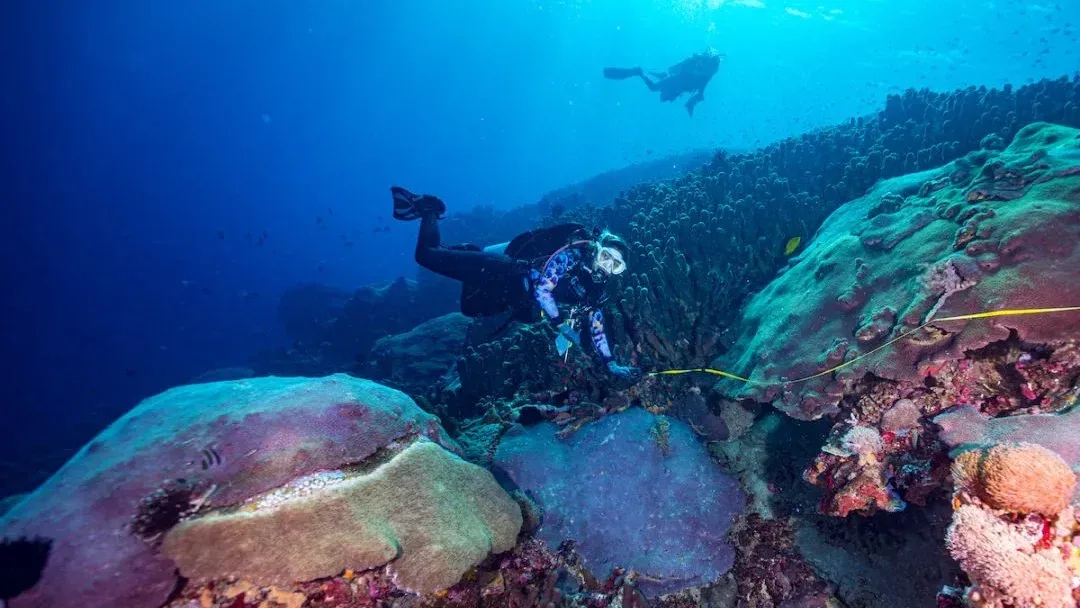
The conservation of local flora and fauna remains a priority. Efforts have been made to protect endangered species and restore habitats. This includes community-led conservation programs that focus on preserving marine life and coral reefs. A notable project involves the replanting of over 10,000 coral fragments annually, which aims to restore damaged reefs and support marine biodiversity. Additionally, wildlife sanctuaries have been established to protect endangered species such as the Bali starling, with breeding programs in place to boost their population.
- Solar energy installations
- Recycling and composting initiatives
- Educational workshops
- Eco-friendly tourism development
- Conservation programs for local wildlife
For more information on sustainable travel options, explore our section on eco-friendly travel tips right here.
2027 Note: Recent Developments
In 2027, Bali Tonusapenida is actively pursuing new technologies and partnerships to enhance its sustainability efforts. Plans are underway to introduce more electric vehicles, with a target of having 25% of all public transport powered by electricity by 2030. This initiative is expected to reduce pollution and improve air quality significantly. Additionally, collaborations with international environmental organizations aim to bring global best practices to the island. These partnerships focus on areas such as sustainable water management and advanced waste treatment technologies.
FAQ
What sustainable practices are being adopted on Bali Tonusapenida?
Sustainable practices on Bali Tonusapenida include renewable energy projects, waste reduction initiatives, community education programs, eco-friendly tourism, and biodiversity conservation efforts.
How is tourism being made more sustainable on Bali Tonusapenida?
Tourism on Bali Tonusapenida is becoming more sustainable through the development of eco-friendly accommodations and tours, encouraging responsible visitor behaviour, and promoting local engagement in conservation activities.
What role does the local community play in sustainability efforts?
The local community plays a critical role by participating in educational programs, waste management initiatives, and biodiversity conservation projects, ensuring the long-term success of sustainability efforts.
Related guides