
Travel Journal
Understanding the Marine Conservation Efforts on Bali Tonusapenida
Updated 17 Jul 2026 · 3 min read
On this page
- Marine Conservation Bali Tonusapenida
- Ocean Protection Initiatives
- Marine Life Preservation Strategies
- Community Involvement and Education
- 2027 Note: Adapting to Environmental Changes
- FAQ
- What marine conservation efforts are taking place on Bali Tonusapenida?
- How can tourists support marine conservation in Bali Tonusapenida?
- What role do local communities play in ocean protection?
Marine conservation efforts on Bali Tonusapenida focus on sustainable practices, habitat restoration, and community education to protect marine life and ocean ecosystems.
Marine Conservation Bali Tonusapenida
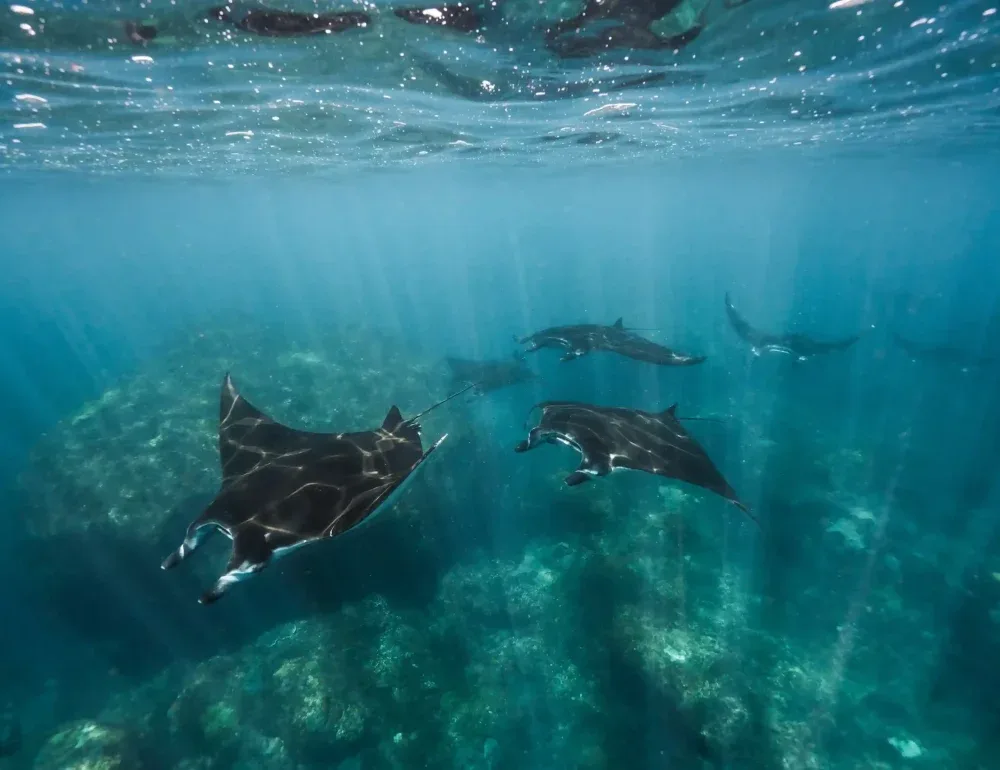
Bali Tonusapenida’s marine conservation efforts are crucial to maintaining the health and vitality of the region’s rich ocean ecosystems. These initiatives are designed to preserve marine life and ensure the sustainability of local resources, benefiting both the environment and the community. The island, part of the Indonesian archipelago, is renowned for its diverse marine biodiversity, housing over 500 species of coral and a multitude of fish species, making it a vital area for conservation.
Ocean Protection Initiatives
Several key initiatives aim to protect the ocean around Bali Tonusapenida. These include establishing no-fishing zones, which cover approximately 20% of the coastal waters. These zones are critical as they provide safe havens for fish populations to recover and marine habitats to regenerate. Monitoring and research projects are conducted by local universities and international research bodies, providing essential data to inform conservation strategies. These projects often utilise advanced technologies such as satellite tracking and underwater drones to gather comprehensive data and adapt to changing conditions effectively.
Marine Life Preservation Strategies
- Coral Reef Restoration: Efforts focus on planting coral fragments to rebuild damaged reefs. This is achieved through coral nurseries, where coral fragments are grown before being transplanted onto degraded reef areas. The success rate of these initiatives has been promising, with some regions reporting a 70% survival rate of transplanted corals.
- Sea Turtle Protection: Local groups work to safeguard nesting sites, particularly for endangered species such as the Hawksbill and Green turtles. Protection measures include patrolling beaches during nesting seasons, which typically run from March to September, and ensuring that hatchlings reach the sea safely.
- Sustainable Tourism: Guidelines help minimise the environmental impact of tourism activities. This includes regulations on diving and snorkelling to prevent damage to coral reefs and disturbances to marine life. Efforts are also made to promote eco-friendly accommodations and tour operators who adhere to sustainable practices.
These strategies not only safeguard marine biodiversity but also support the livelihoods of communities reliant on healthy marine resources. Many local residents depend on fishing and tourism for their income, and sustainable practices ensure these resources remain viable for future generations.
Community Involvement and Education
Community participation is crucial in marine conservation efforts. Educational programs run by local NGOs and government agencies raise awareness about the importance of ocean protection. These programs often include school visits, community workshops, and public seminars. Workshops and training sessions equip residents with knowledge and skills to participate actively in conservation activities, such as reef monitoring and beach clean-ups. Local fishermen are also engaged in sustainable fishing practices training, which includes the use of eco-friendly gear and compliance with fishing regulations.
Visitors can also learn more about responsible travel practices through our packing guide for Bali to Nusa Penida to ensure they contribute positively to conservation efforts. Tourists are encouraged to engage in eco-friendly activities, support local conservation projects, and respect wildlife by maintaining a safe distance and avoiding littering.
2027 Note: Adapting to Environmental Changes
In 2027, Bali Tonusapenida continues to adapt its marine conservation strategies in response to environmental changes and challenges. Climate change remains a significant threat, contributing to coral bleaching and rising sea levels. New technologies and methods, such as the development of heat-resistant coral strains and artificial reefs, are being explored to enhance conservation efforts. Collaborations with international environmental organisations are also being strengthened to share knowledge and resources.
FAQ
What marine conservation efforts are taking place on Bali Tonusapenida?
Efforts include establishing no-fishing zones, coral reef restoration, and community education programs to protect marine life and habitats. These initiatives are supported by ongoing research and technological advancements to ensure their effectiveness.
How can tourists support marine conservation in Bali Tonusapenida?
Tourists can support conservation by following sustainable tourism guidelines, participating in educational programs, and respecting local wildlife. Choosing eco-friendly accommodations and tour operators and engaging in volunteer programs are also effective ways to contribute.
What role do local communities play in ocean protection?
Local communities are involved in education and active participation in conservation activities, ensuring sustainable use of marine resources. Their involvement is critical in implementing and maintaining conservation measures, as well as in fostering a culture of sustainability and environmental stewardship in the region.
Related guides